
Contact Us
Masonry Repair in Antioch, CA
Small cracks don't stay small. Water gets in, freezes, expands. Mortar deteriorates. What started as a hairline crack becomes a structural problem that costs ten times more to fix than it would have six months ago.
Masonry repair isn't something you put off until "later." Later means worse damage, higher costs, and sometimes safety issues that can't be ignored.
We're the masonry repair contractor near me that property owners call when they notice cracks, settling, or deteriorating mortar. We've repaired thousands of brick and block structures throughout Antioch—from simple brick repair to complex structural masonry repair projects that require engineering.
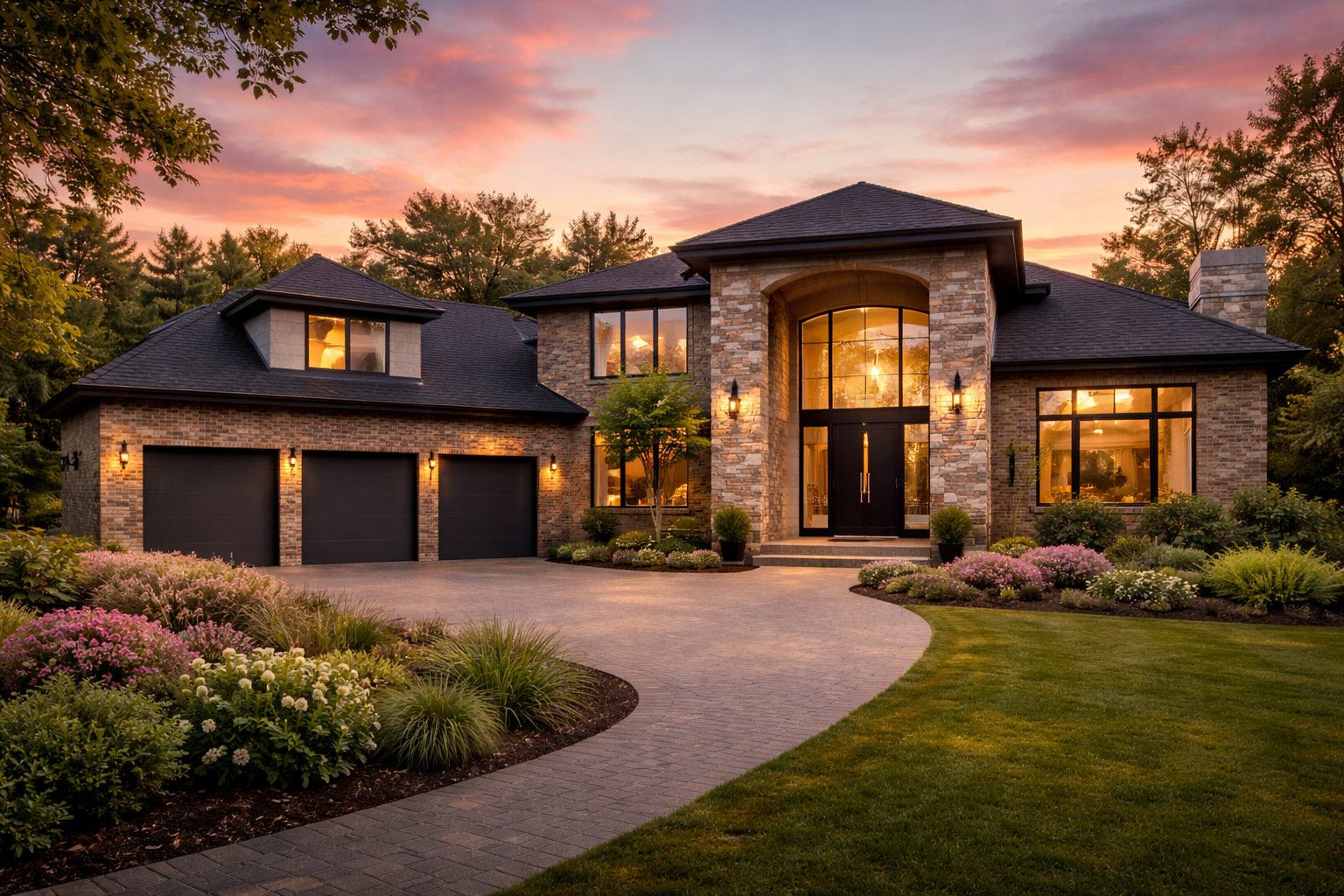
Brick Repair: Fixing Problems Before They Spread
Brick repair contractor near me calls usually start the same way: "We noticed a crack" or "Some bricks are crumbling." What people don't realize is that visible damage is often just the symptom—the real problem is underneath or behind what you can see.
As a brick wall repair contractor , we don't just patch the surface. We diagnose why the damage happened. Is it settling? Water infiltration? Freeze-thaw damage? Failed mortar? Tree roots? The repair approach depends on the cause.
Our brick repair services include replacing damaged bricks, repointing deteriorated mortar, addressing underlying structural issues, and preventing future damage. We source matching brick (or get as close as possible) so repairs blend with existing work.
Exterior brick repair contractor work requires understanding how weather affects masonry. We use appropriate materials and techniques for outdoor repairs that need to withstand Antioch's climate.
Cracked Brick Repair: More Than Just Cosmetic
Cracked brick repair contractor work ranges from simple cosmetic fixes to serious structural repairs. Not all cracks are equal—some are surface issues, others indicate foundation problems or structural movement.
Cracked brick repair starts with assessment. We determine if cracks are active (still moving) or dormant (stable). Active cracks need structural solutions—addressing the underlying cause before repairing the visible damage. Dormant cracks can be repaired directly.
For minor cracks, we remove damaged sections, install new brick, and repoint surrounding areas. For structural cracks, we may need to install lintels, add reinforcement, or address foundation issues before repairing the masonry itself.
Structural Masonry Repair: When It's More Than Cosmetic
Structural masonry repair contractor projects involve load-bearing walls, foundations, or masonry that's actually holding something up. This isn't DIY territory—it requires understanding structural principles and often coordination with engineers.
We handle structural masonry repair including foundation walls, load-bearing walls, columns, and arches. Sometimes we need to temporarily support loads while we repair or rebuild failed sections. We work with structural engineers when projects require engineering analysis or stamped drawings.
Residential masonry repair contractor work often involves chimneys, foundation walls, and exterior walls. Commercial masonry repair might include structural walls, facades, or load-bearing elements in older buildings.
Cracked Block Wall Repair: Addressing Common Issues
Cracked block wall repair is one of our most frequent calls. Block walls crack due to settling, inadequate reinforcement, poor base preparation, or structural overload.
Minor cracks can be filled and sealed. Significant cracks—especially horizontal cracks or cracks with displacement—indicate structural problems that need more than surface repair. We assess the wall, determine why it cracked, and implement repairs that address the cause, not just the symptom.
Sometimes cracked block wall repair means adding reinforcement, improving drainage, or rebuilding sections. We're honest about what can be patched versus what needs more extensive work.
Brick and Masonry Repair: Common Issues We Fix
Brick and masonry repair near me services include:
- Repointing deteriorated mortar joints
- Replacing damaged or spalling bricks
- Repairing cracks in walls and foundations
- Fixing settling or leaning walls
- Addressing water damage and efflorescence
- Rebuilding chimneys and chimney caps
- Repairing retaining walls
- Fixing step cracks and structural movement
We're a masonry wall repair contractor that handles everything from small residential repairs to large commercial restoration projects.
Don't wait until small problems become big ones. Call us for an assessment of your damaged masonry. We'll explain what's wrong, why it happened, and what it'll take to fix it properly.
Frequently Asked Questions
How much does masonry repair cost?
It varies dramatically based on damage extent and cause. Simple repointing might cost $500-2,000 for a small area. Replacing a few damaged bricks runs $300-800. Structural repairs requiring engineering, shoring, and rebuilding can cost $5,000-20,000+. The only way to get accurate pricing is to have us assess the damage. We provide detailed written estimates explaining exactly what needs to be done and why.
Can cracked brick be repaired, or does it need replacement?
It depends on the crack severity and cause. Hairline cracks can sometimes be filled and sealed. Bricks cracked completely through usually need replacement. If multiple bricks are cracked in a pattern, that indicates structural movement—we need to address the underlying cause before repairing individual bricks. We assess each situation and recommend the most effective repair approach.
What causes brick to crack or crumble?
Common causes include freeze-thaw cycles (water gets in, freezes, expands), foundation settlement, structural movement, improper mortar (too hard or too soft), water infiltration, and age. Soft brick exposed to weather deteriorates faster. Hard mortar that doesn't allow movement causes brick to crack instead of joints. We identify the cause and address it as part of the repair.
How do you match old brick for repairs?
We take samples and work with suppliers to find the closest match. Sometimes we can find the exact brick if it's still manufactured. Other times we source salvaged brick from demolition projects. Perfect matches aren't always possible—brick manufacturing has changed and older brick isn't always available. We get as close as possible, and repairs typically blend better after weathering.
What is tuckpointing, and when is it needed?
Tuckpointing (also called repointing) is removing deteriorated mortar from joints and replacing it with fresh mortar. It's needed when mortar becomes soft, crumbly, or recessed more than 1/4 inch. Deteriorated mortar allows water infiltration, which causes more damage. Repointing prevents water entry and restores structural integrity. Most brick buildings need repointing every 25-50 years depending on exposure and climate.
Can you repair structural cracks, or do walls need rebuilding?
It depends on crack severity and cause. If the wall is stable and cracks are dormant (not actively moving), we can often repair them by removing damaged sections, adding reinforcement if needed, and rebuilding with new masonry. If walls are actively failing, leaning significantly, or structurally compromised, rebuilding is safer and more cost-effective long-term. We assess stability and recommend appropriate solutions.
How long do masonry repairs last?
Properly executed repairs last as long as the original masonry—decades or longer. The key is addressing the cause of damage, not just the symptoms. If we repair cracks without fixing the underlying settlement or water issue, damage will return. When we fix both the cause and the effect, repairs are permanent. We warranty our work and stand behind the quality.
Do you repair chimneys?
Yes. We're a chimney masonry repair contractor handling everything from repointing and brick replacement to crown repair, cap installation, and complete chimney rebuilding. Chimney repairs are critical for safety—deteriorated chimneys can leak, allow carbon monoxide into homes, or create fire hazards. We assess chimney condition and recommend necessary repairs.
Can you repair retaining walls that are leaning or cracked?
Sometimes. If a retaining wall is slightly leaning (less than 2-3 inches) and we catch it early, we may be able to stabilize it by improving drainage and adding reinforcement. Walls leaning significantly or showing major structural failure usually need rebuilding. We assess the wall, determine failure cause, and recommend the most cost-effective solution. Sometimes repair works; often replacement is the only safe option.
What's the difference between repair and restoration?
Repair fixes specific damage—replacing cracked bricks, repointing sections, addressing localized problems. Restoration involves returning an entire structure to its original condition, often for historic buildings. Restoration is more comprehensive and expensive. Most residential and commercial properties need repair, not full restoration. We explain what's actually needed for your situation.
How do you prevent future masonry damage?
Prevention depends on the original damage cause. We improve drainage to prevent water infiltration, install proper flashing, ensure adequate expansion joints, address foundation issues, and use appropriate materials for the climate. We also recommend maintenance schedules—periodic inspection and repointing before problems develop. Most masonry damage is preventable with proper construction and maintenance.
Do masonry repairs require permits?
Minor repairs typically don't require permits. Structural repairs, especially those involving load-bearing walls or foundations, often do. We handle the permit process when required and coordinate inspections. Requirements vary by jurisdiction and project scope. We'll explain what's needed for your specific repair project.